Alyssa
Hurst
I develop engaging learning experiences by combining game elements and visual design.

My Work
Function Factory
Interactive Algebra Learning Game
This game uses exploration and play to help algebra students create mental models of functions.
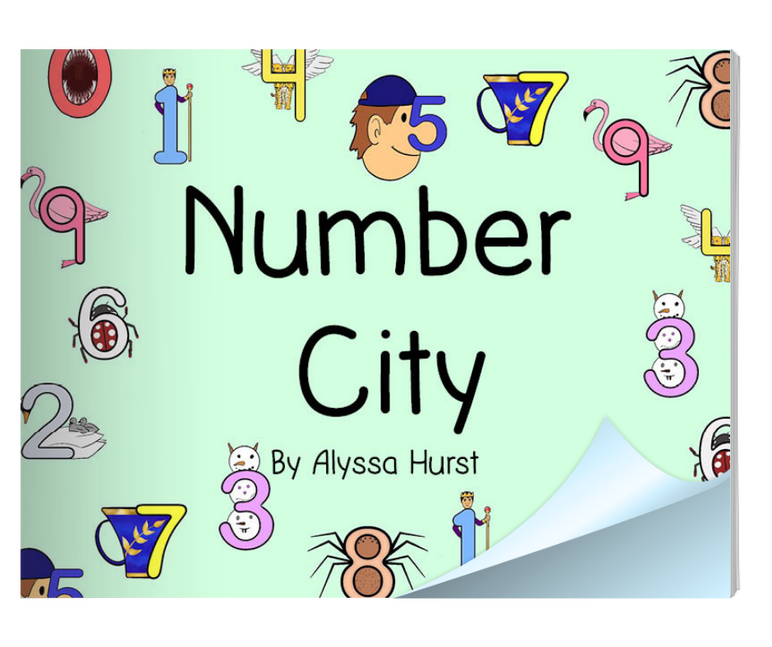
Number City
Illustrated storybook resource
This picture book features a character for each digit to help young learners memorize numbers through visual mnemonics.
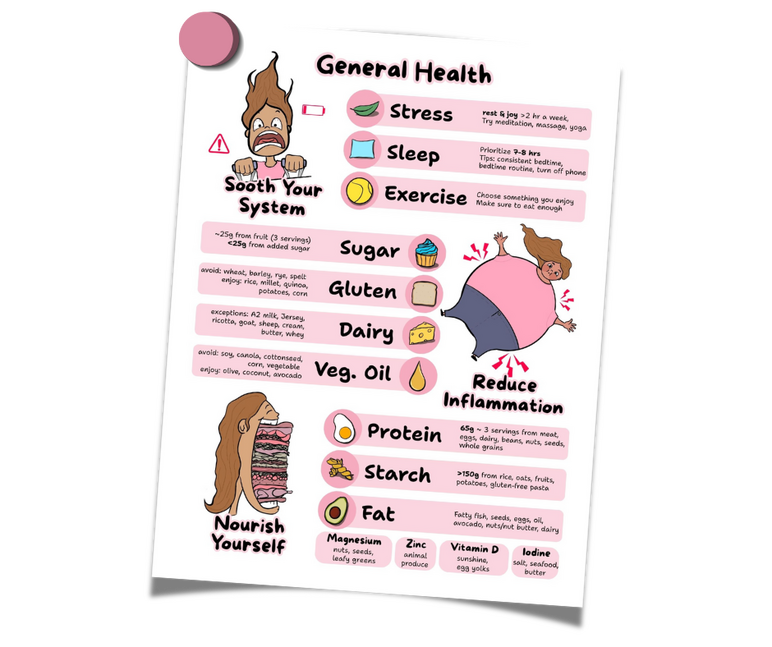
General Health
A Quick-Reference Infographic
This infographic summarizes a chapter from Period Repair Manual for easy reference.
Function Factory
Interactive Algebra Learning Game (Prototype)
(Doesn't work on phones)

Audience
8th and 9th graders

Responsibilities
Instructional design
Visual and UI Design
Programming
Illustration and Animation
Game Design

Tools
Godot Game Engine
Adobe Illustrator
Adobe Animate
Adobe Premiere
Project Overview
Function Factory is a game for algebra students. It is based on the concept of the function machine, a visual metaphor of functions. To help the main character, Leo, fix his factory, players interact and experiment with function machines until they can label them with the correct operations. As the learners progress through the levels, they’ll start to understand functions as a process. Function Factory is designed to supplement classroom instruction and help students build a foundational knowledge to build upon in later lessons.
The Learning Problem
Many students struggle with algebra because functions are often introduced as symbols and equations before conceptual understanding is established. This can lead to:
Memorization without comprehension
Difficulty connecting graphs, tables, and expressions
Math anxiety and low confidence
The goal of this project was to create a learning experience that:
Makes the abstract idea of functions concrete
Encourages experimentation without fear of failure
Builds intuition before formal notation is introduced
Learning Objectives
By completing the game, students will be able to:
Identify the rule a function applies based on input and output examples
Explain a function as a process, not just an equation
Key Design Features
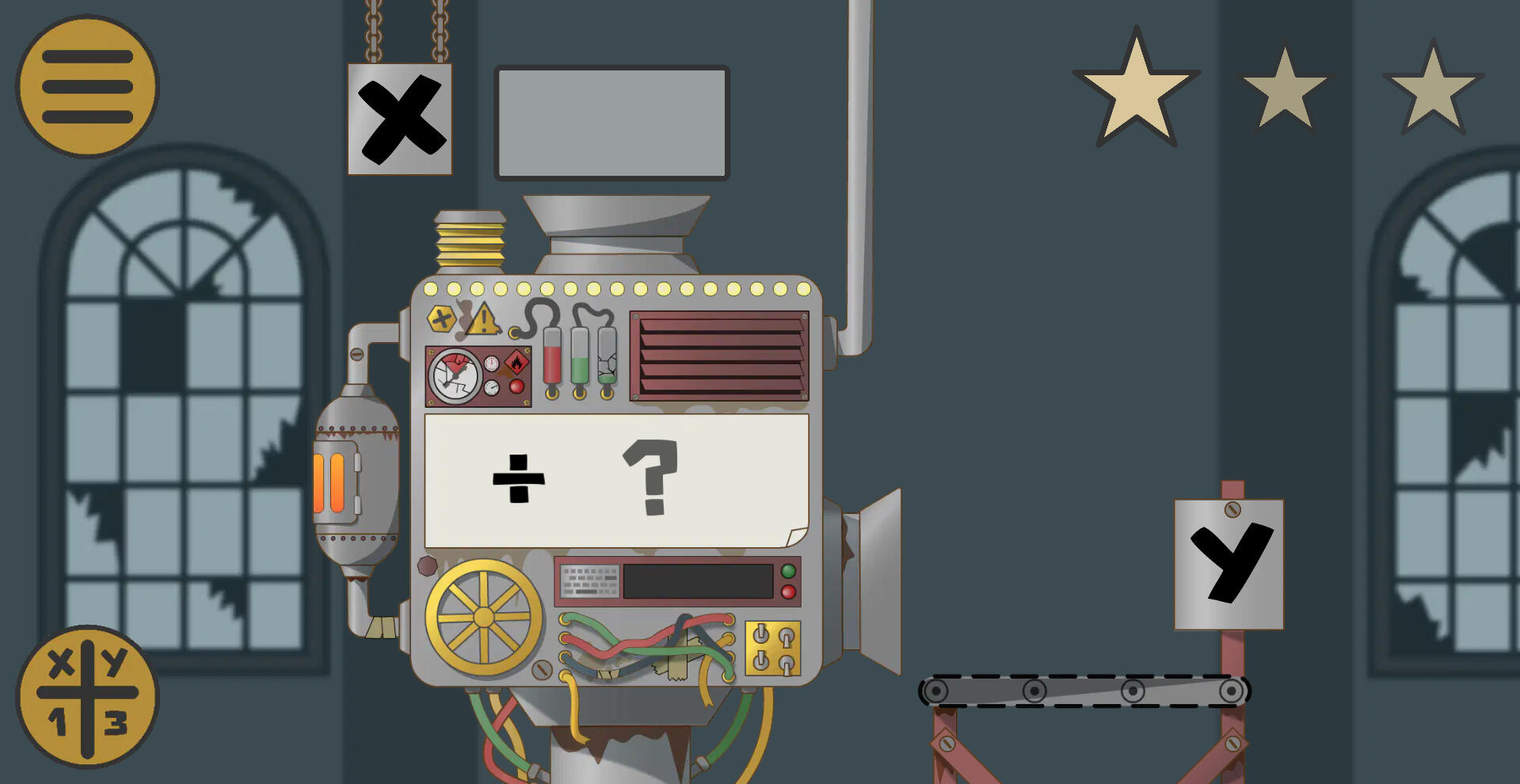
Function Machine
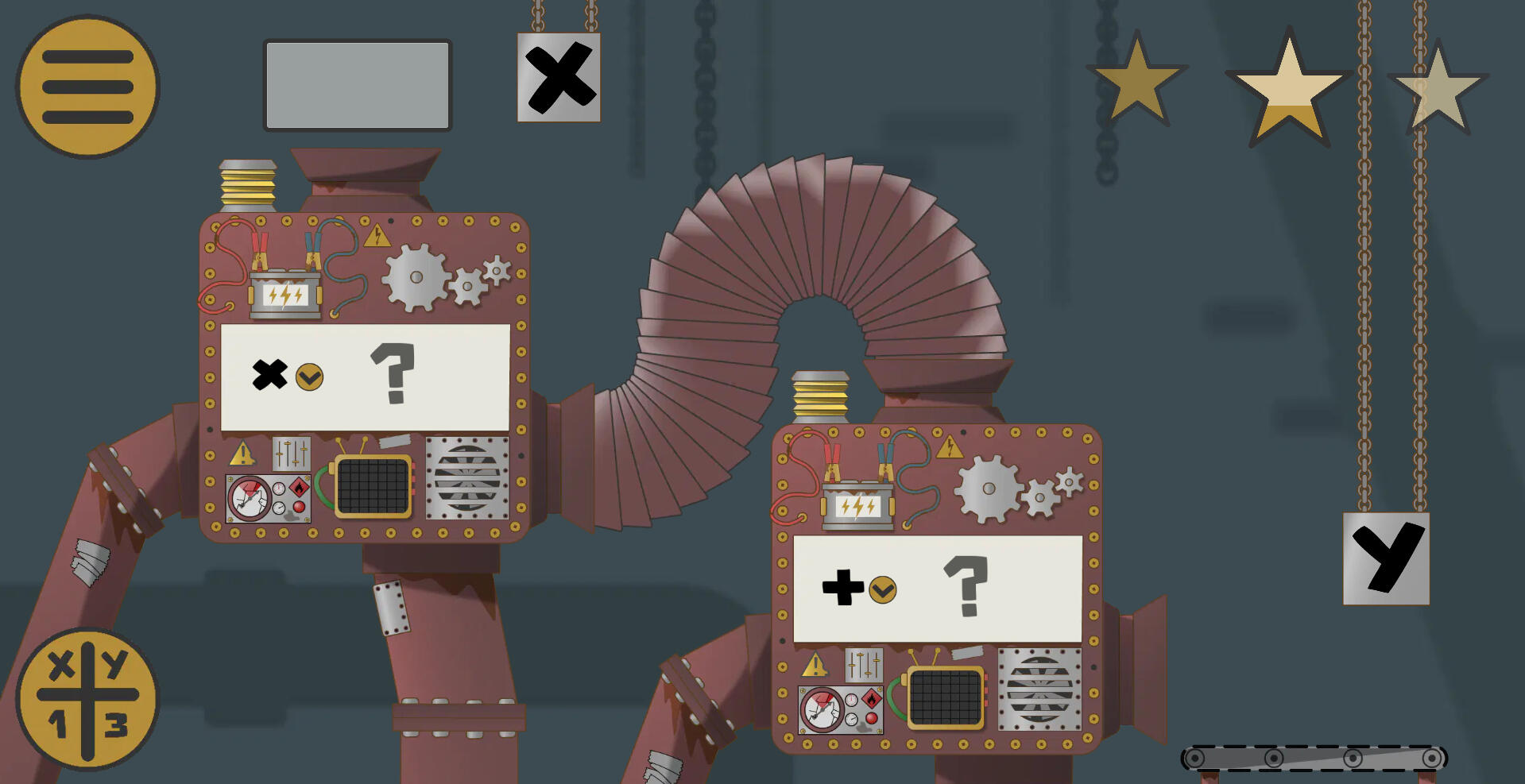
The game centers on the concept of a function machine. This is a visual way to show functions as an input→process→output. The function machine takes an input, changes it according to some rule, and then spits out an output. This rule or process is the function. This supports constructivist learning by helping learners build a mental model of how functions work.
Narrative Elements
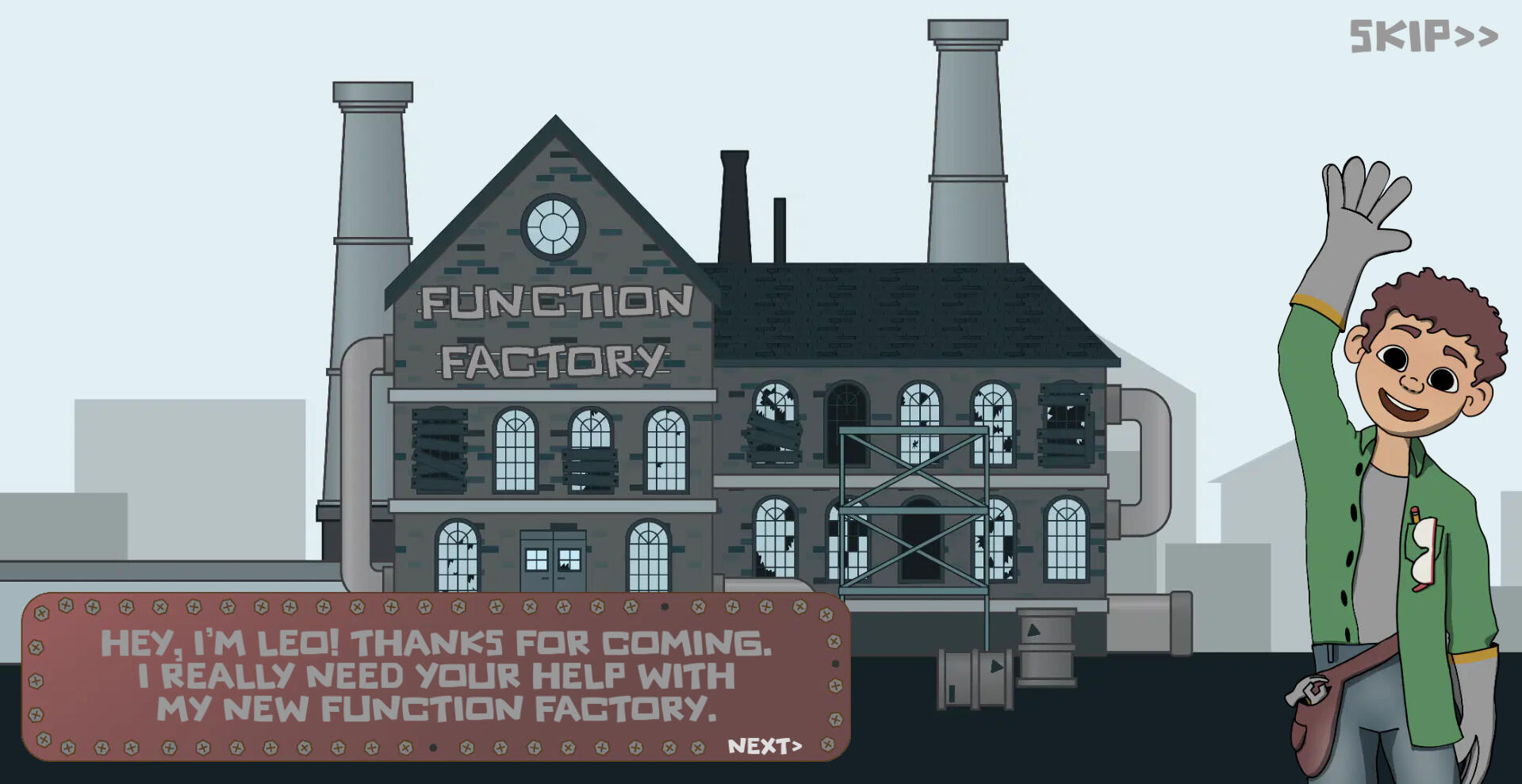
Function Factory has a small narrative centered on Leo, who needs help repairing his inherited factory. The story and visual language work together to establish the setting. This supports motivation by giving a purpose to the activities and interest in the story.
Progressive Difficulty
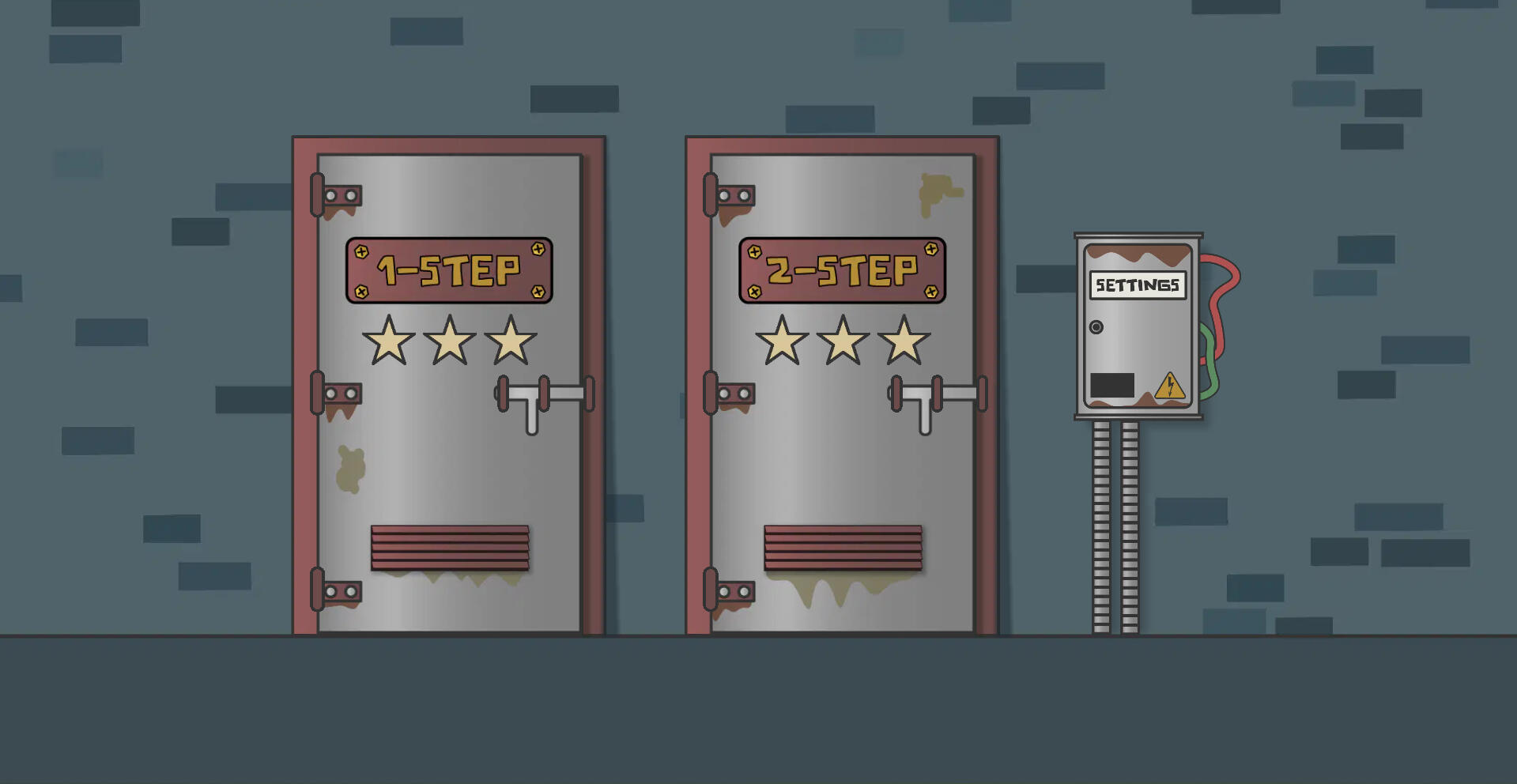
The game has two levels, each progressing through three stages to create lots of small wins. This structure uses scaffolding to gradually reduce support and help learners build confidence and independence.
Intrinsic motivation
Rather than relying heavily on extrinsic rewards, the game turns the math itself into the core gameplay, promoting intrinsic motivation. Learners are encouraged to engage for understanding and completion, while the freedom to move between rooms and levels supports Self-Determination Theory by reinforcing autonomy.
Reflection
This was a student project and had a lot of constraints. Firstly, there was no budget. I only spent money on Adobe Creative Suite. The game engine was free. Sound effects were free. Even the voice actor was just my cousin. While an annoying limitation, it forced me to get creative.Secondly, I worked alone. This was my capstone project and wasn’t a group effort. I took on all the responsibilities including designing, illustration, animation, coding, sound design, etc. Many of these skills I learned as I went.Thirdly, there was a set deadline. This is true for most projects, but I had to limit the scope of the project because of the deadline. I originally planned on having ten rooms or levels, but quickly realized I needed to adjust it to two. I finished the whole project in about seven months.
Future Direction
If I were to continue this project future improvements would include:
User testing with target learners
Bug fixes
Accessibility considerations
Additional levels and a clear completion point
Improved availability for teachers
Supporting lesson plans for classroom use
What This Project Demonstrates
Function Factory demonstrates my ability to incorporate intrinsic motivation and gamification into learning experiences. It also shows how I can take challenging or intimidating subjects, like algebra, and make them approachable, interactive, and enjoyable, while still teaching what is needed. Finally, it shows my ability to work within budget and time constraints.
Number City
Illustrated storybook resource

Audience
Kindergarten Students

Responsibilities
Instructional design
Illustration
Writing

Tools
Procreate
Adobe InDesign
PowerPoint
Project Overview
Number City is a collection of illustrations and poems that pair each digit with a character. It was designed to help early learners, particularly those with dyscalculia, who struggle to recognize and recall the visual shapes of numbers. These students often find traditional rote memorization ineffective and frustrating, and respond better to engaging visual mnemonics. The pictures were adapted into multiple formats, including a storybook, posters, flashcards, slideshows, matching cards, and coloring pages. This enables teachers and parents to use the material in a multitude of ways.
Learning Objectives
Using this resource, students will be able to:
Identify the numbers 0-9
Write the numbers 0-9 when prompted
Reflection
What This Project Demonstrates
Number City demonstrates my ability to use visual storytelling and mnemonics to support learning. It shows how I can approach simple memorization in a way that moves beyond rote repetition.
"This was just what I needed to get my homeschooled child to learn numbers. I suspect he may have dyscalculia. No matter how many drills we did over and over, he just could not recognize numbers 6-9 for the whole school year. I looked around, hoping to find something like Letterland characters, but for numbers, and this is it. He is now, after just a few times going through these cards, able to recognize the numbers. He still struggles remembering when writing, but when he asks what does an 8 look like, I am able to tell him "it looks like a spider". Then he can write it. Brilliant. Thank you for creating this resource."
- Amy Hughes
General Health
A Quick-Reference Infographic

Audience
Women Readers of
Period Repair Manual

Responsibilities
Instructional design
Graphic Design
Illustration
Writing

Tools
Procreate
Canva
Project Overview
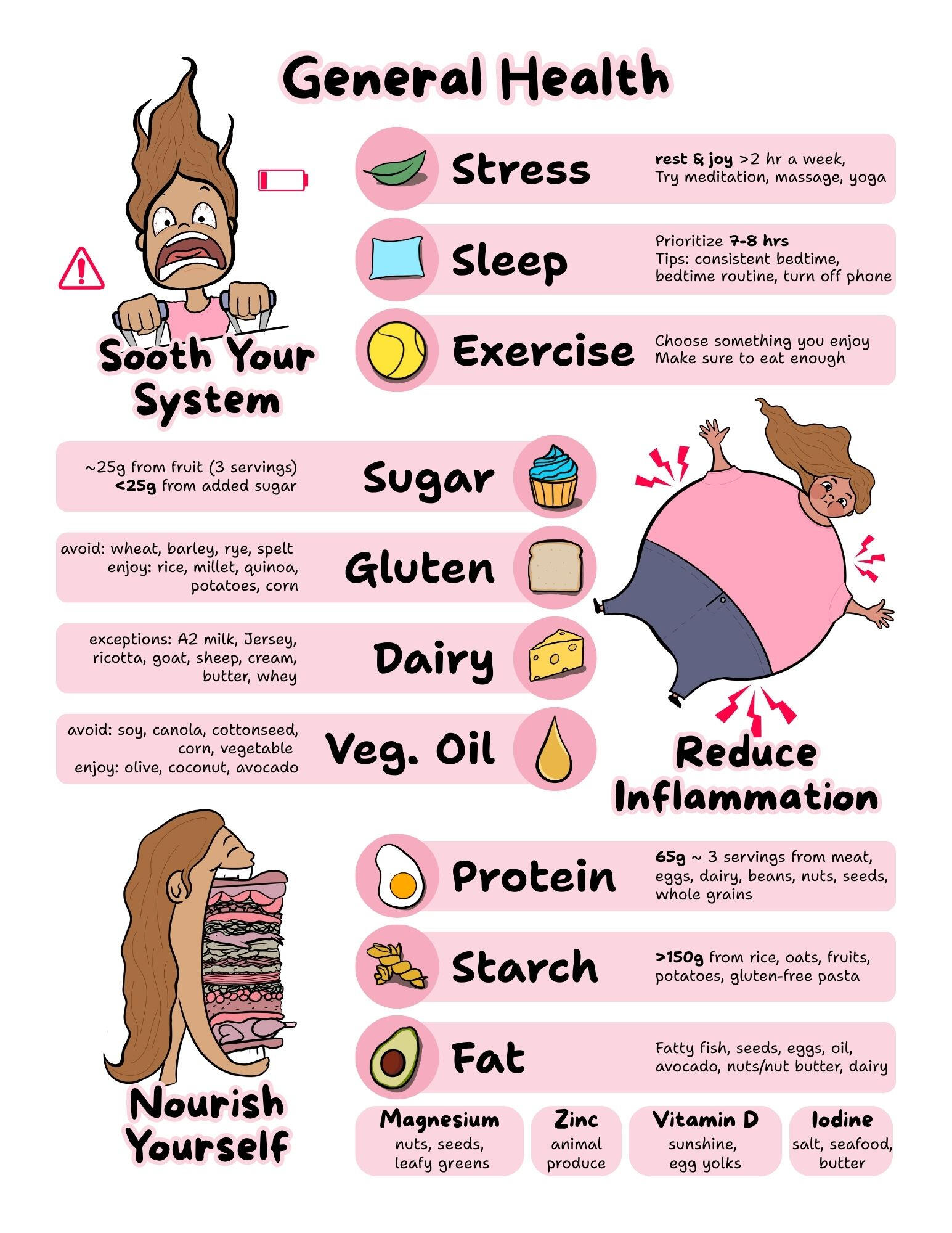
Period Repair Manual includes a detailed chapter on general health tips that support menstrual health, but its depth makes it hard to refer back to. This project turns those tips into a concise visual job aid to put on the fridge.The infographic was tailored for a specific learner, omitting tips that did not apply. It prioritizes scannability, visual warmth, and repeated exposure to support recall and new habits.
Reflection
What This Project Demonstrates
This project demonstrates my ability to summarize information and create job aids.