Alyssa
Hurst
I develop engaging learning experiences by combining game elements and visual design.

My Work
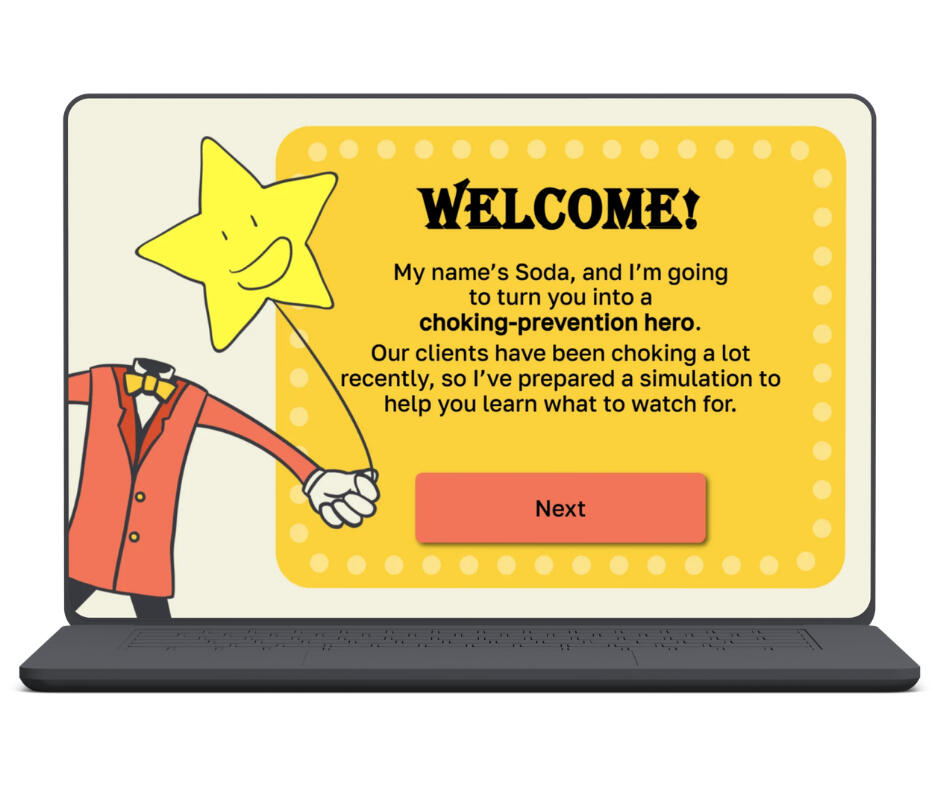
Choking Prevention
Storyline Course
This scenario-based e-learning course teaches caregivers how to recognize choking risks at mealtime.

Function Factory
Interactive Algebra Learning Game
This game uses exploration and play to help algebra students create mental models of functions.
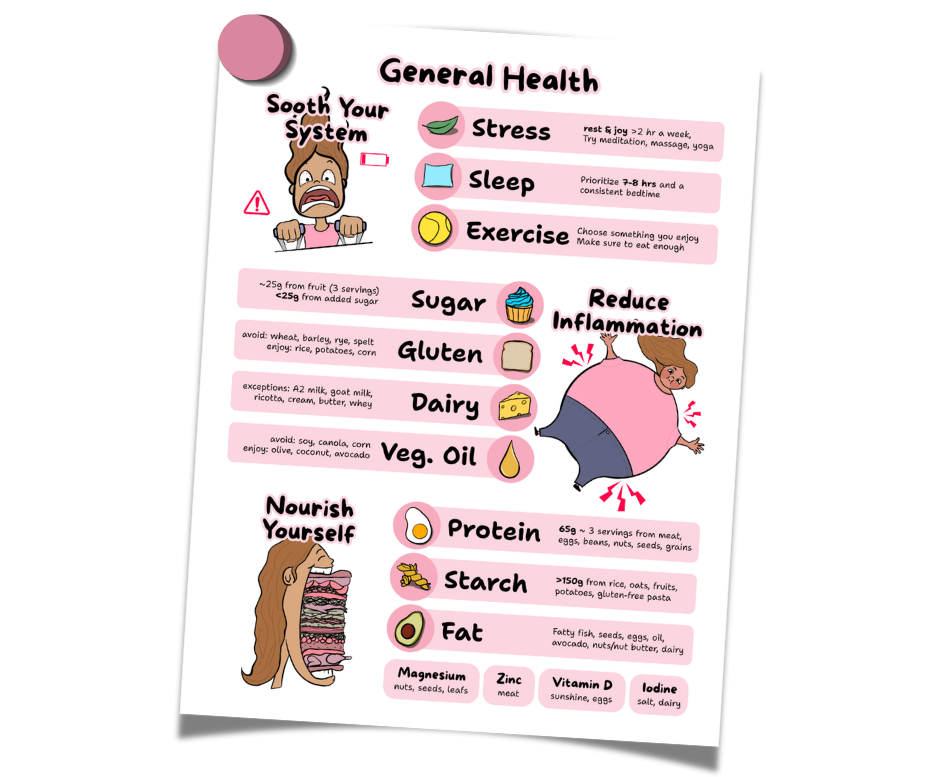
Design Projects
A Collection of Graphic Design work
This includes various small projects, such as an infographic, a poster, and a brochure.
Function Factory
Interactive Algebra Learning Game (Prototype)
(Doesn't work on phones)

Audience
Algebra students from both high school and college

Responsibilities
Instructional design
Visual and UI Design
Programming
Illustration and Animation
Game Design

Tools
Godot Game Engine
Adobe Illustrator
Adobe Animate
Adobe Premiere
Project Overview
Function Factory is a game for algebra students. It is based on the concept of the function machine, a visual metaphor of functions. To help the main character, Leo, fix his factory, players interact and experiment with function machines until they can label them with the correct operations. As the learners progress through the levels, they’ll start to understand functions as a process. Function Factory is designed to supplement classroom instruction and help students build foundational knowledge they can build on in later lessons.
The Learning Problem
Many students struggle with algebra because functions are often introduced as symbols and equations before conceptual understanding is established. This can lead to:
Memorization without comprehension
Difficulty connecting graphs, tables, and expressions
Math anxiety and low confidence
The goal of this project was to create a learning experience that:
Makes the abstract idea of functions concrete
Encourages experimentation without fear of failure
Builds intuition without relying on formal notation
Learning Objectives
By completing the game, students will be able to:
Identify the rule a function applies based on input and output examples
Explain a function as a process, not just an equation
Key Design Features
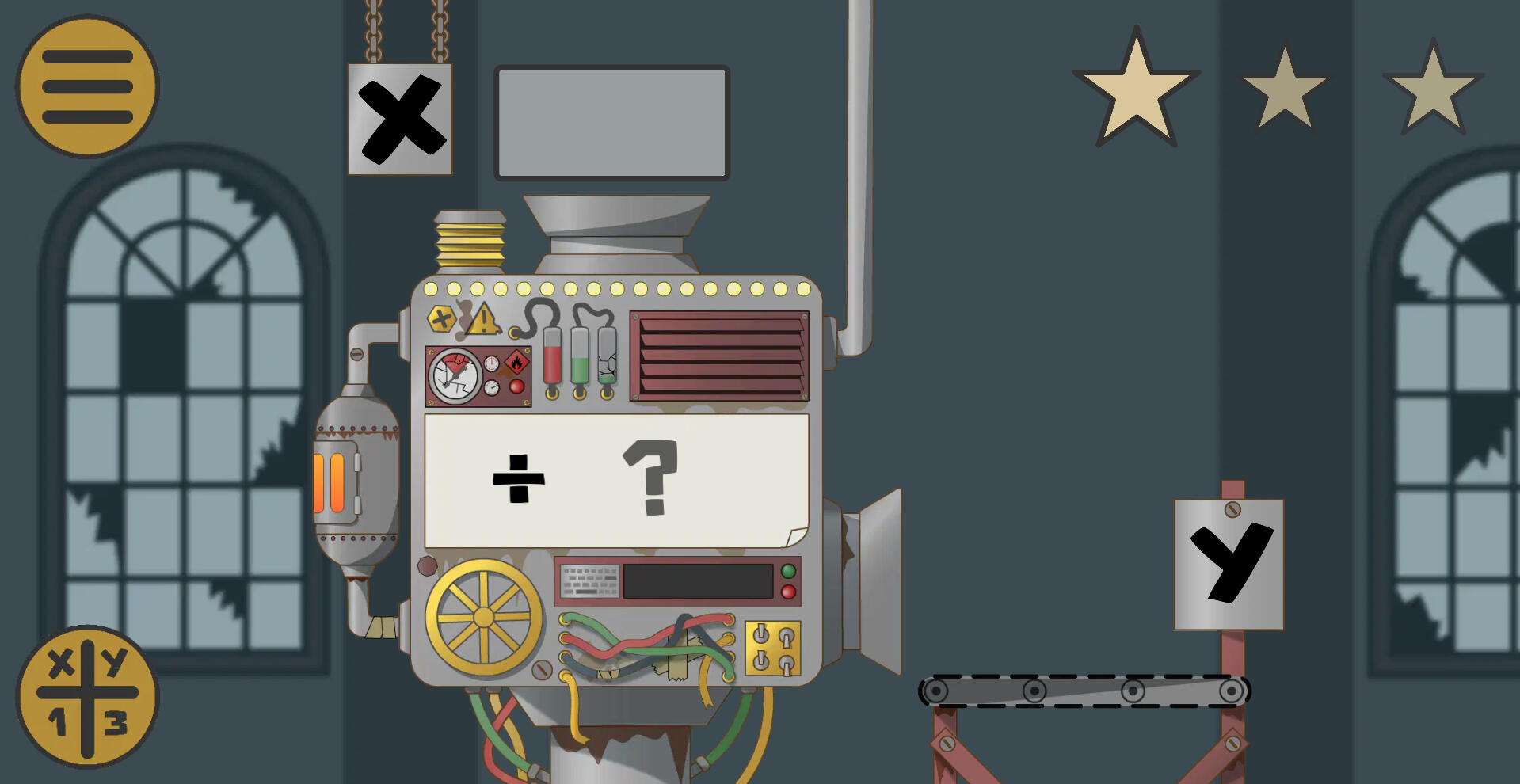
Function Machine
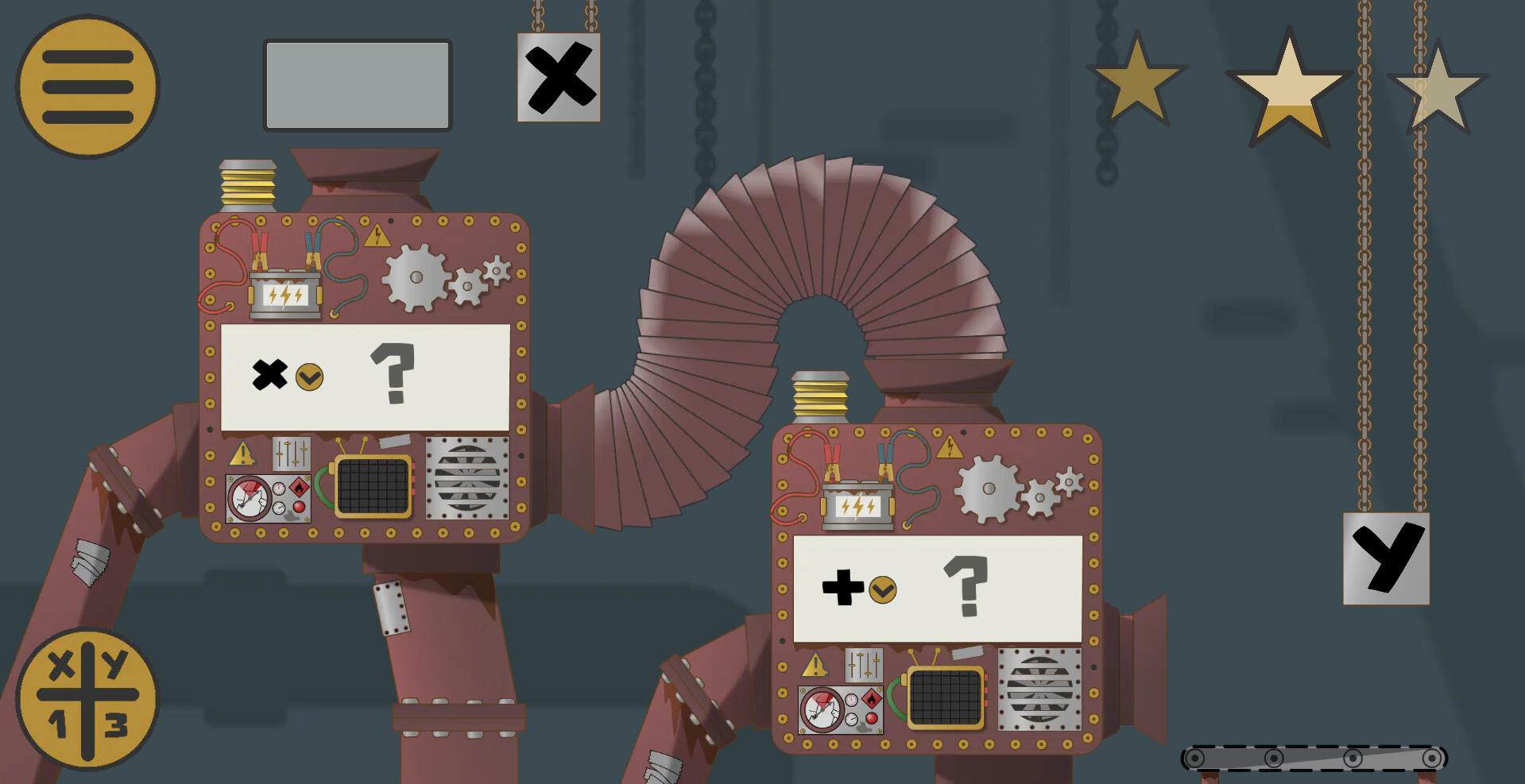
The game centers on the concept of a function machine. This is a visual way to show functions as an input→process→output. The function machine takes an input, changes it according to a rule, and then spits out an output. This rule or process is the function. This supports constructivist learning by helping learners build a mental model of how functions work.
Narrative Elements
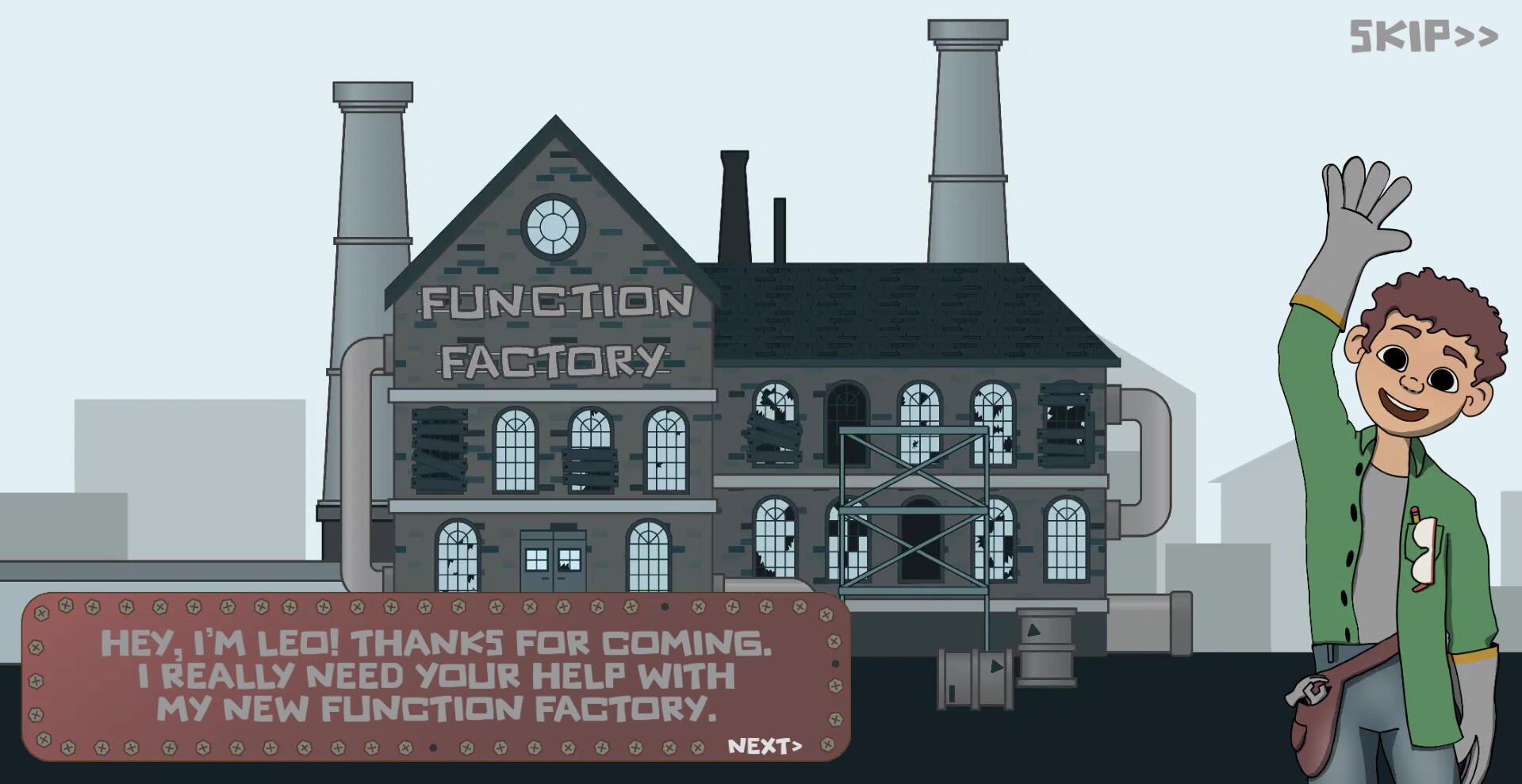
Function Factory has a small narrative centered on Leo, who needs help repairing his inherited factory. The story and visual language work together to establish the setting. This supports motivation by giving a purpose to the activities and interest in the story.
Progressive Difficulty
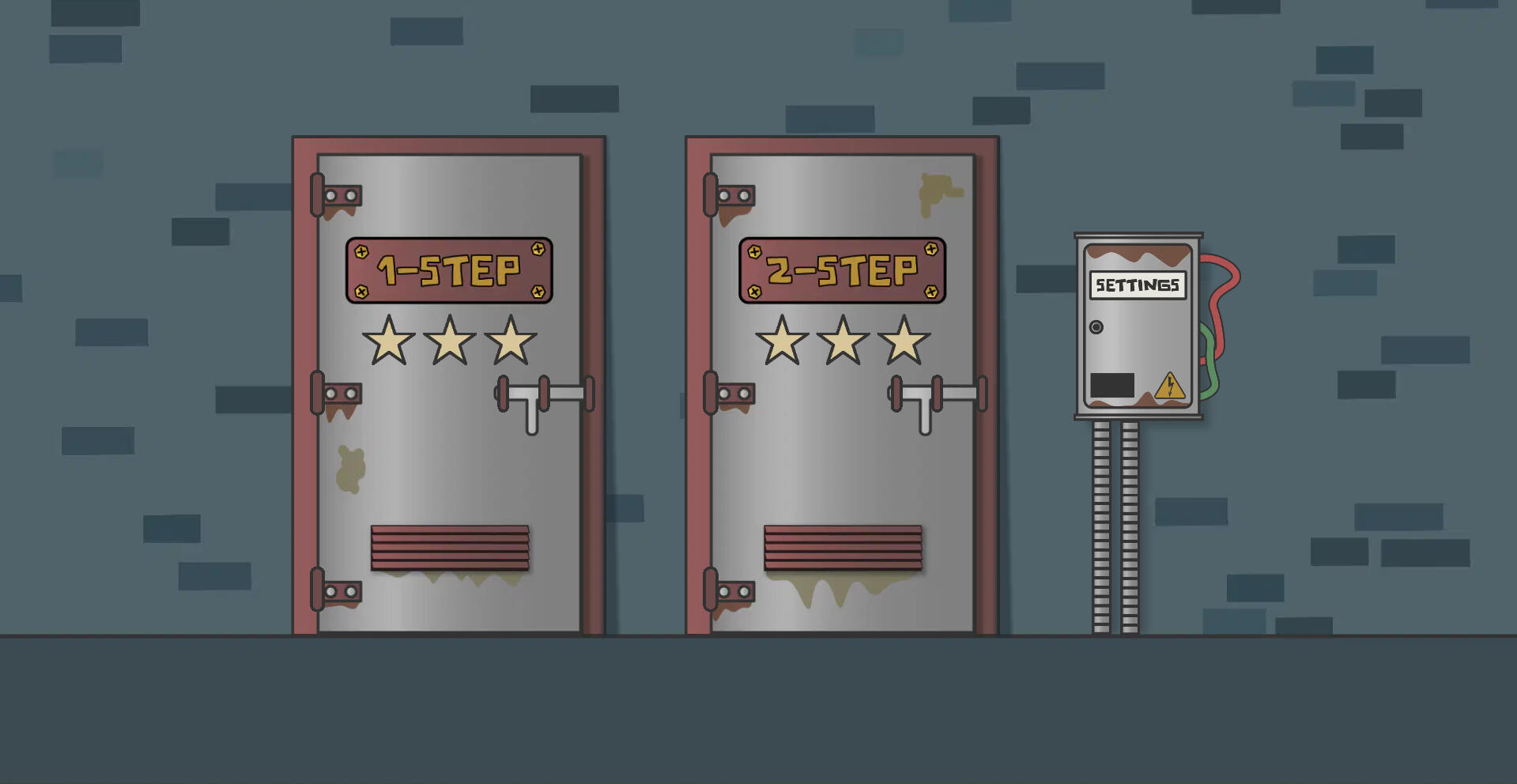
The game has two levels, each progressing through three stages, to create lots of small wins. This structure uses scaffolding by gradually reducing support, thus helping build confidence and independence.
Intrinsic motivation
Rather than relying heavily on extrinsic rewards, the game turns the math itself into the core gameplay, promoting intrinsic motivation. Learners are encouraged to engage for understanding and completion, while the freedom to move between rooms and levels supports Self-Determination Theory by reinforcing autonomy.
Reflection
This was a student project and had many constraints. Firstly, there was no budget. I only spent money on Adobe Creative Suite. The game engine and sound effects were free. While this was an annoying limitation, it forced me to get creative.Secondly, I worked alone. This was my capstone project and wasn’t a group effort. I took on all the responsibilities, including graphic design, illustration, animation, programming, sound design, etc. I learned many of these skills as I went.Thirdly, there was a set deadline, and this limited the scope of the project. While I wish I could've added more features, the whole project had to be finished in about seven months.
Future Direction
If I were to continue this project, future improvements would include:
User testing with target learners
Bug fixes
Accessibility considerations
Additional levels and a clear completion point
Improved availability for teachers
Supporting lesson plans for classroom use
What This Project Demonstrates
Function Factory demonstrates my ability to incorporate intrinsic motivation and gamification into learning experiences. It also shows how I can make challenging or intimidating subjects, like algebra, approachable, interactive, and enjoyable while still teaching what is needed. Finally, it shows my ability to work within budget and time constraints.
Choking Prevention
Storyline Course

Audience
Caregivers

Responsibilities
Instructional Design
E-learning Development
Graphic Design

Tools
Articulate Storyline
Procreate
Project Overview
This short lesson is designed to help reduce choking incidents for a company that provides community living for those with intellectual and developmental disabilities. It leads caregivers through a scenario where they practice identifying unsafe eating habits. The lesson ends with a game-like quiz.
Learning Objectives
After the course, caregivers will be able to:
State their role at mealtimes
Recognize choking risks at the table
Key Design Features
Scenario Based
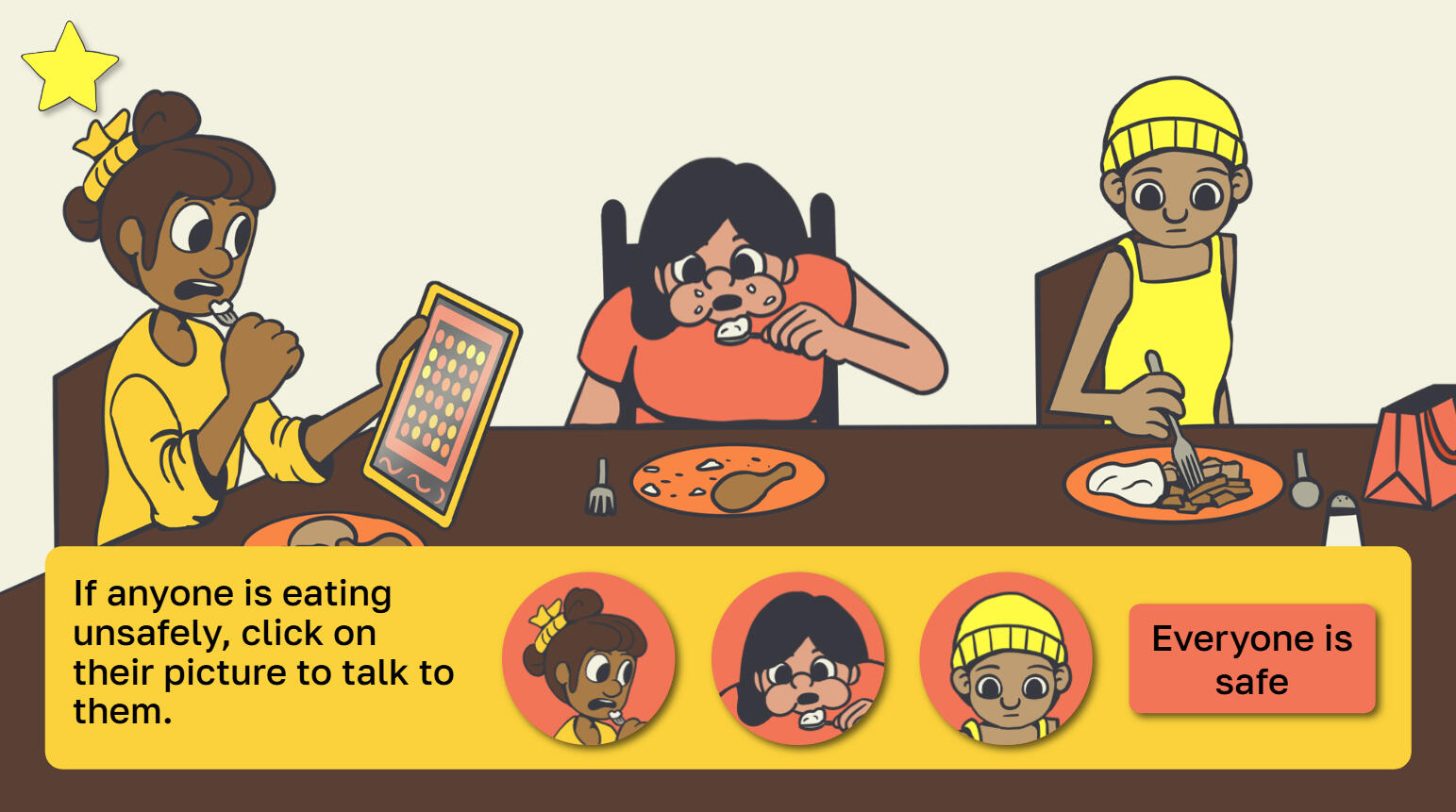
The lesson follows a short scenario where learners identify choking risks and make safe decisions. Using a scenario helps learners apply their knowledge of choking safety and promotes recall.
Additional Information
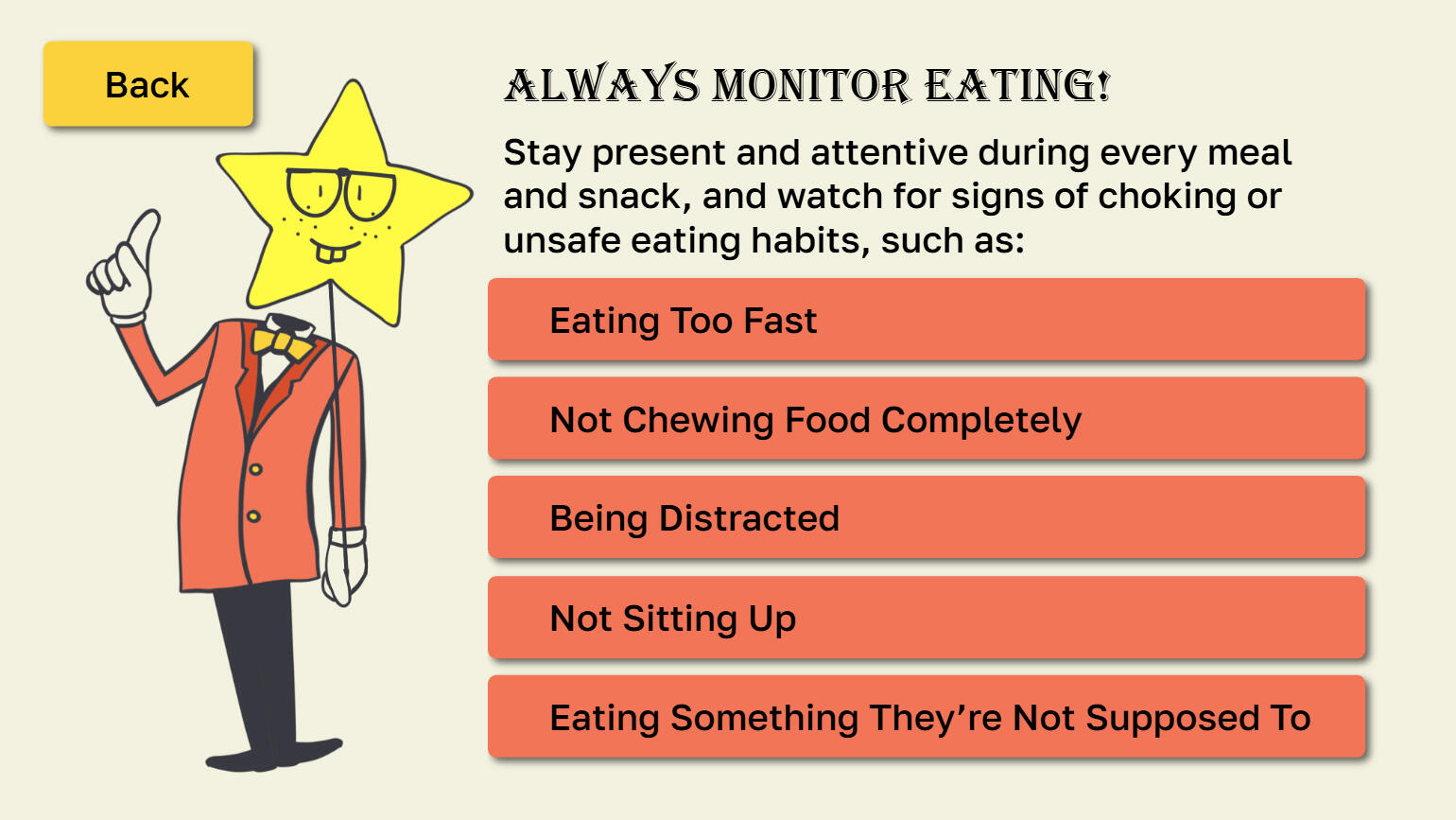
At any time, learners can open a slide with information on how to prevent choking. This optional slide gives learners autonomy and lets them personalize their learning experience by choosing what they want to learn more about.
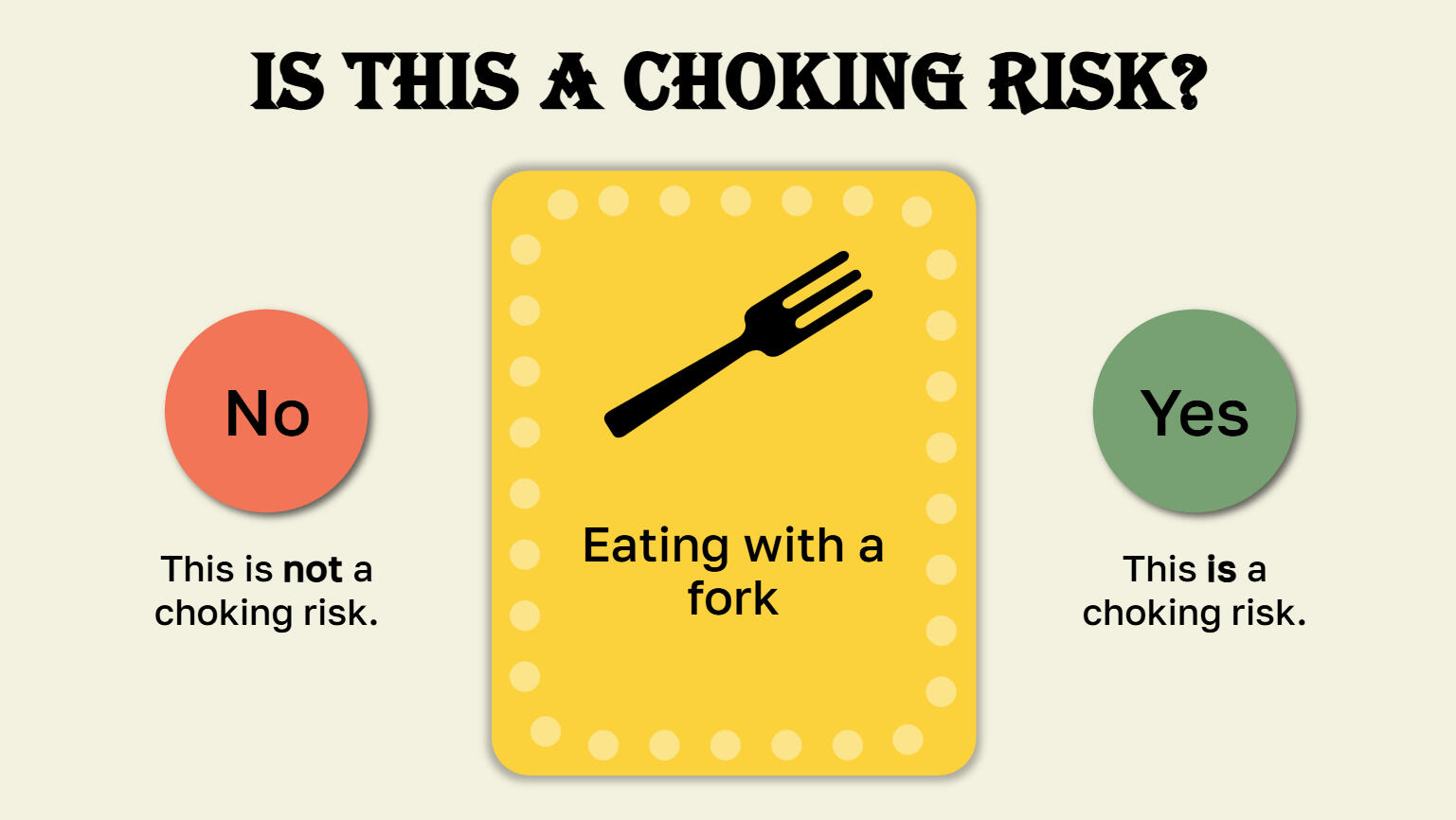
Quiz
The lesson ends with a gamified quiz where learners decide if something is a choking risk. If they get a question wrong, there is immediate feedback explaining why. The question will be asked again until they get it right.
Design Projects
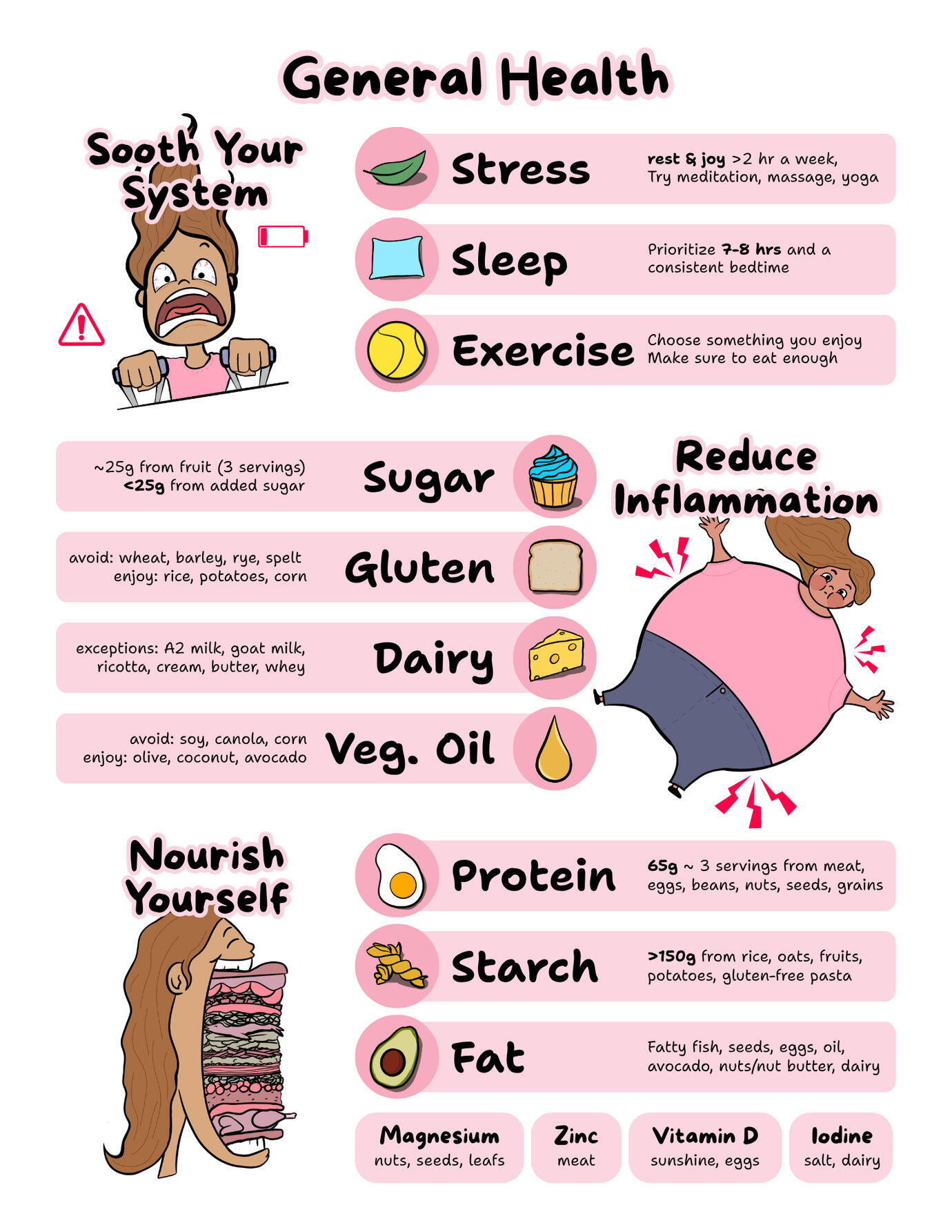
Health Infographic
This infographic was created in Canva and summarizes a chapter from Period Repair Manual. This chapter covers habits that support menstrual health, but its depth makes it hard to refer back to. This project turns those tips into a concise visual job aid for the fridge.I prioritized scannability and humor to support recall and new habits. This shows my ability to visually summarize information into a job aid.

Aqua Sure Campaign
Aqua Sure was a group student project designing materials for a mock campaign. Using Adobe Illustrator and InDesign, I created a poster, brochure, and tote bag while other team members created a logo and social media posts. To ensure all our designs were cohesive, our team decided on visual guidelines including color palette, font, and style.I focused on visual consistency, layouts, and fonts. This project demonstrates my ability to collaborate with a team and follow brand guidelines.
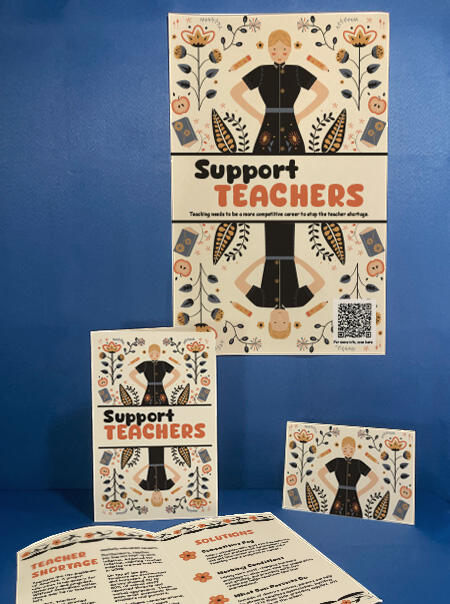
Support Teachers Campaign
Support Teachers was another student project. I used Adobe Illustrator and InDesign to create one design and adapted it for a poster, brochure, and postcard.I focused on a warm, friendly style to match the message. This project shows my ability to create print materials.
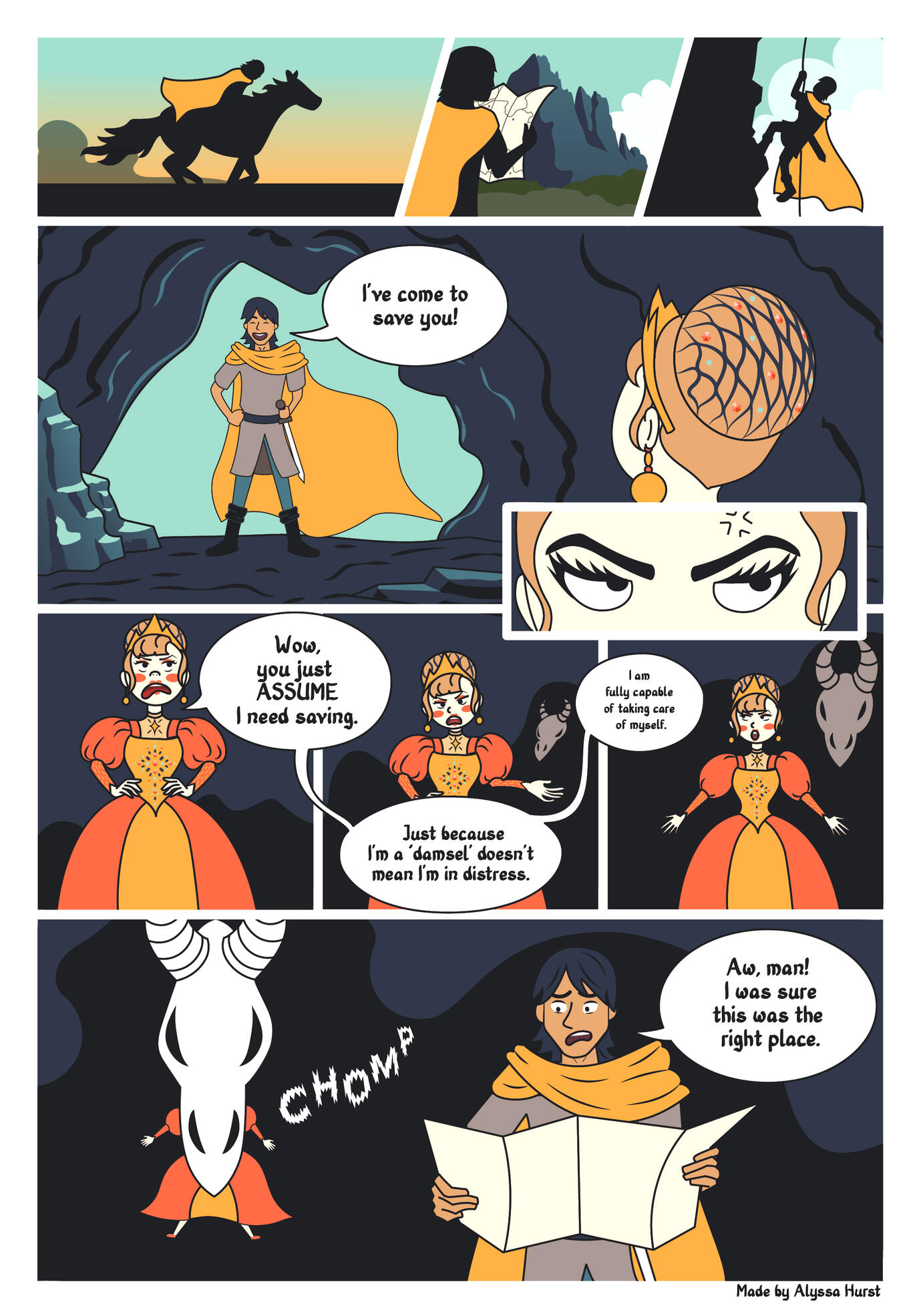
Damsel in Distress
This was a fun project exploring comics. They are an interesting way to combine illustrations and text to convey information. I used Adobe Illustrator for the illustrations and layout. I used a complementary color palette and humor to teach a moral lesson about not letting your pride stop you from accepting help.I focused on visual interest and composition. This project shows my ability to use unique forms of media to share information.